
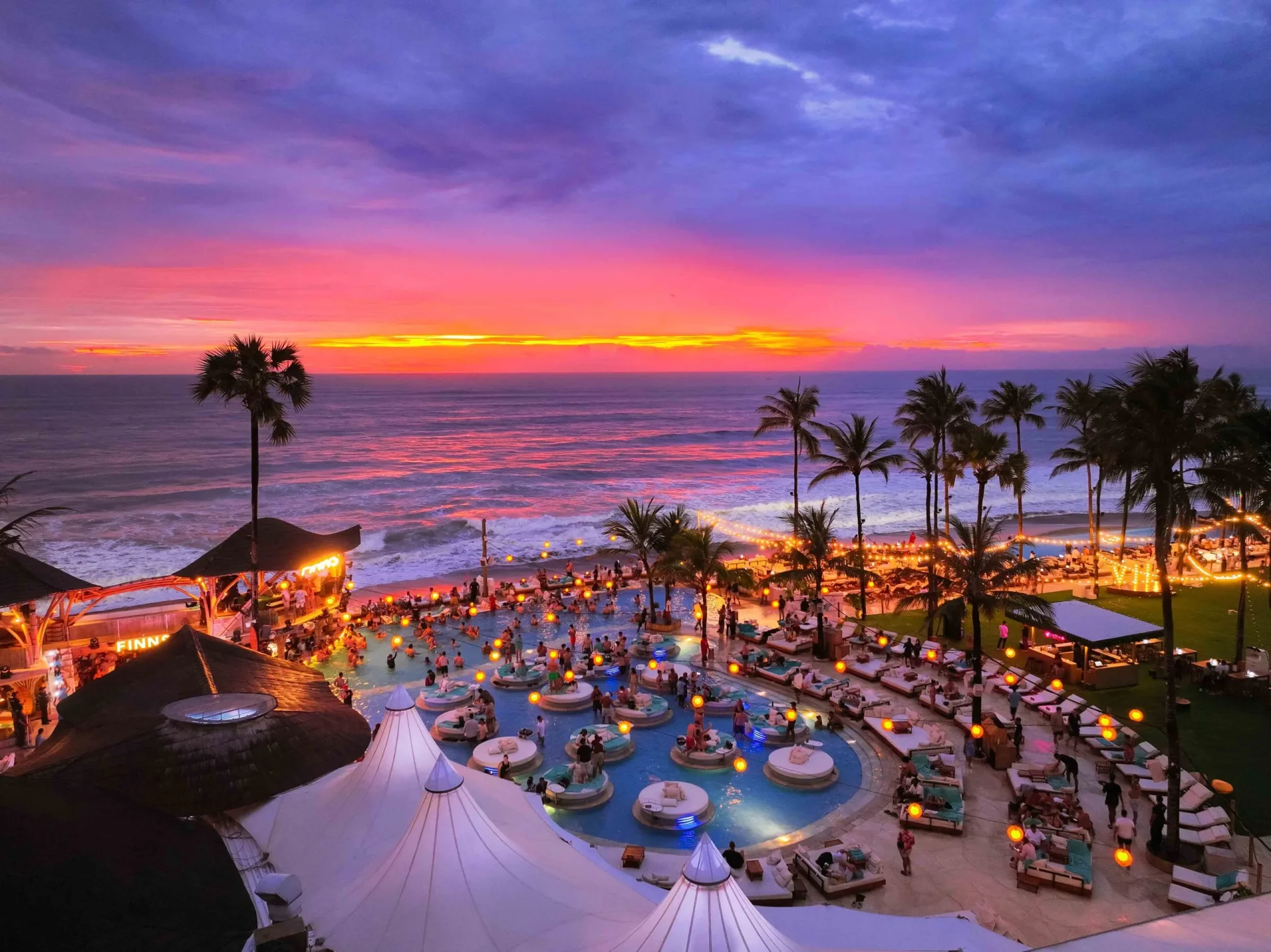
Canggu in 2026 feels different from the Canggu many visitors first discovered a few years ago. The surf and cafés are still here, but the area has matured with new hotels, more refined dining, better traffic management, and a growing community of long‑stay residents and remote workers. For travellers and future villa owners, these changes make Canggu feel more like a complete, lived‑in district than a passing trend.
A more organised Canggu: traffic and access
One of the biggest updates this year is Canggu’s new traffic system. After a long trial period, the Badung Regency authorities have made the one‑way loop and diversion routes in Canggu’s core tourist zone permanent. This system aims to smooth out congestion on main roads, shortcuts, and beach access routes, especially during peak hours and holiday seasons. For visitors and residents, it means planning routes a bit more carefully but also enjoying more predictable travel times around Batu Bolong, Berawa, and Echo Beach.
Beach clubs, hotels, and a maturing nightlife
Canggu’s nightlife and beach club scene continue to evolve. Established names in Berawa and Batu Bolong host regular international DJ nights and sunset sessions, while newer venues lean into more curated events, live bands, and food‑forward concepts. The overall crowd in 2026 is slightly more mature, with many guests combining daytime surfing or coworking with evening dining and occasional party nights rather than full‑time clubbing. This shift makes the area feel more balanced for travellers, families, and villa guests who want options without constant intensity.
New hotels and boutique stays are also opening across the district, adding more variety between private villas, serviced apartments, and hotel‑style accommodation. For property buyers, this mix signals that Canggu is consolidating into a long‑term destination with different ways to stay, rather than only standalone private villas.
Food scene: more depth, more variety
The food scene in Canggu is one of the biggest reasons people return again and again, and it continues to expand in 2026. Along with well‑known cafés and beach clubs, new restaurants and coffee shops open regularly, influenced by global trends and collaborations promoted across Bali’s “new tables” listings. Guests can now choose between casual warungs, all‑day brunch cafés, contemporary Asian or Mediterranean kitchens, and chef‑driven menus that rival big city offerings.
This maturing food scene is good news for long‑stay visitors and remote workers who rely on nearby options for daily life. It also supports villa projects that market themselves with walkable access to cafés and restaurants, rather than needing guests to travel far for dining.
Remote work, events, and community
Canggu remains a base for digital nomads and remote professionals, but the way people use the area is shifting. Many visitors now stay longer, treat Canggu as a semi‑permanent base, and participate in local events, fitness communities, and co‑working spaces instead of only short bursts of “workation” travel. Co‑working venues, gyms, and studios continue to host workshops, meetups, and classes, strengthening the sense of community for repeat guests and residents.
Across Bali, July 2026 brings a packed calendar of festivals, concerts, and cultural events, many of which are either hosted in Canggu or easily reached from here. Including beach club performances, creative city gatherings nearby, and island‑wide celebrations like the Bali Kite Festival and major culinary collaborations. This combination of local tradition and modern events keeps Canggu plugged into the wider Bali scene while remaining one of its liveliest hubs.
What this means for future guests and villa owners
For visitors, Canggu in 2026 offers a more complete experience: surf, cafés, nightlife, co‑working, and improved infrastructure all working together. It is still busy and social, but feels more mature and organised than in earlier growth phases. For villa and land buyers, this evolution suggests long‑term appeal. A district that continues to attract international guests, remote workers, and residents while gradually improving access, services, and lifestyle options.
DreamRue Property, August 2026