
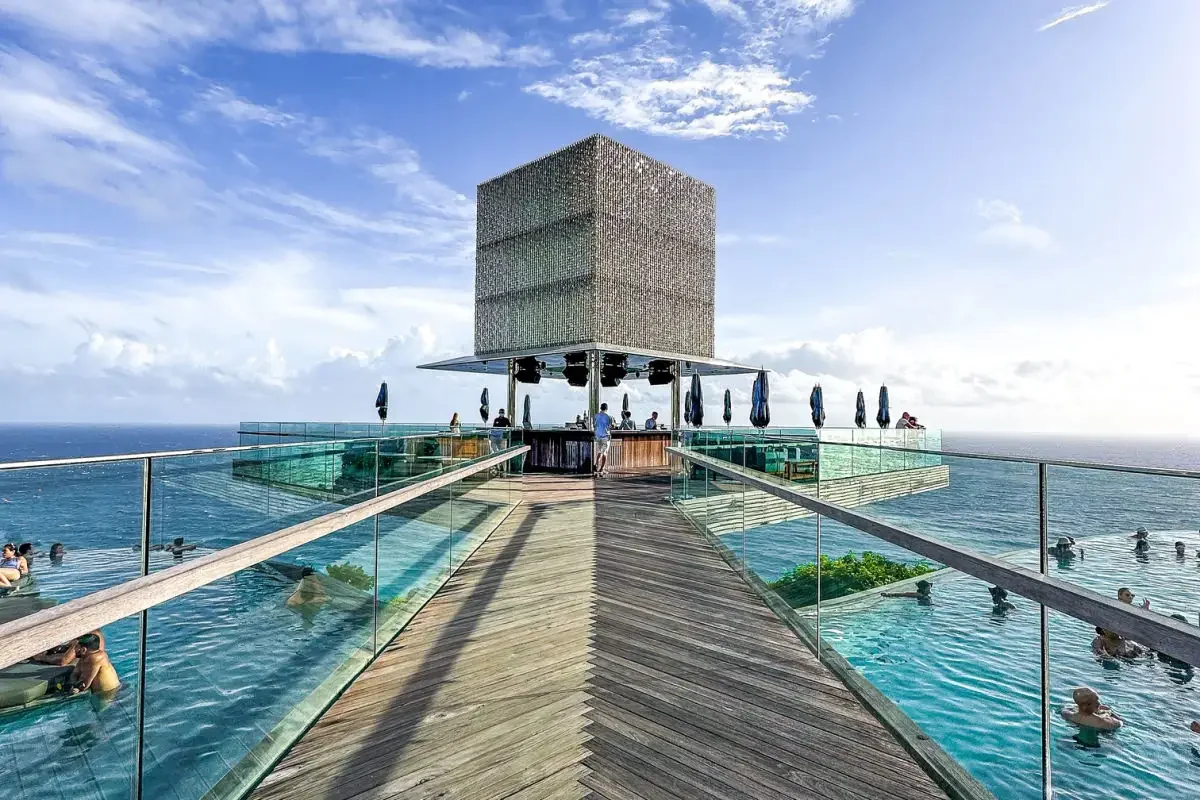
Uluwatu in 2026 feels like a mature version of the south‑Bali cliff coast many travellers discovered years ago. The signature surf breaks and temples are still here, but the area has added more beach clubs, sunset bars, and ocean‑view restaurants, alongside new villas and resorts that lean into privacy and design. For visitors and villa buyers, these changes reinforce Uluwatu as a long‑term destination built around scenery and quality rather than speed.
Cliffside upgrades and new beach clubs
One of the most visible shifts in Uluwatu is the continued growth of cliffside venues. New beach clubs and sunset bars along the Bukit rim offer pools, daybeds, and dining that overlook the ocean, complementing existing names rather than replacing them. Guests can now choose between larger, full‑service clubs and more intimate cliff lounges, depending on whether they want a day‑long social experience or a quieter sunset drink.
These venues cluster around well‑known areas like Bingin, Padang Padang, and the temple cliffs, helping to spread activity across the peninsula. For travellers, this means more options within a short driving distance, and for villa owners, it adds lifestyle anchors that make Uluwatu appealing for longer stays.
Evolving food and café scene
The dining scene in Uluwatu has expanded along with its accommodation. Guides to Bali’s newest restaurants and cafés frequently mention cliff‑top spots and beachside venues in Uluwatu among the island’s 2026 highlights, from modern coastal kitchens to specialty coffee bars. Guests can now pair temple visits or beach days with brunch on the hill, sundowner cocktails, and dinners that match the scenery in quality.
In practice, this means more variety close to popular micro‑areas: Padang Padang and Labuan Sait for beach‑first trips, Bingin for intimate cliff stays, Pecatu and the temple cliffs for resort‑style living, and Melasti/Ungasan for smoother road access and swimmable water. As these areas mature, Uluwatu feels less like a single “remote surf spot” and more like a set of small, connected neighbourhoods built around views and dining.
Travel, levy, and practical updates
For 2026, visitors to Bali, including Uluwatu, also need to be aware of the island’s tourist levy of IDR 150,000 per person, applied on arrival. This policy supports environmental and cultural programmes and is now a standard part of trip planning for international guests. Combined with ongoing improvements to roads and signage across Bukit, it makes Uluwatu feel increasingly structured without losing its natural character.
What this means for future guests and villa owners
For visitors, Uluwatu in 2026 offers a more complete stay: surf, beaches, temple culture, cliffside clubs, cafés, and refined accommodation all within one peninsula. It still feels quieter and more spacious than central south Bali, but now has enough variety to support trips focused on luxury rest, special occasions, or active beach days.
For villa and land buyers, these developments point to Uluwatu’s long‑term appeal. The area is adding new hospitality and lifestyle options while keeping its core strengths, views, surf, and temple heritage. Land and villas on the Bukit increasingly serve guests who return for the same mix of privacy, scenery, and curated experiences, making Uluwatu a key area for projects that aim at higher‑end, longer‑horizon stays.
DreamRue Property, August 2026